loaction
SNU Research Team Led by Professor Oh Joon Hak Develops Chiral Self-sorted Multifunctional Supramolecular Polymers for Use in Sensing
-
작성자
관리자
-
등록일
2018.10.08
-
조회수
1,190
SNU Research Team Led by Professor Oh Joon Hak Develops Chiral Self-sorted Multifunctional Supramolecular Polymers for Use in Sensing
- Anticipates Applications in Various Sensors including Chiral Medical Sensors
- Published Online on Nature Communications

▲ (From Left) SNU Professor Oh Joon Hak (Department of Chemical and Biological Engineering), UNIST Professor Kwak Sang Kyu (School of Energy and Chemical Engineering), POSTECH Doctor Shang Xiaobo, POSTECH Combined Masters-PhD Candidate Song Inho
- Published Online on Nature Communications
▲ (From Left) SNU Professor Oh Joon Hak (Department of Chemical and Biological Engineering), UNIST Professor Kwak Sang Kyu (School of Energy and Chemical Engineering), POSTECH Doctor Shang Xiaobo, POSTECH Combined Masters-PhD Candidate Song Inho
SNU College of Engineering (Dean Cha Kook-heon) announces on 2nd that the joint research team under Professor Oh Joon Hak (SNU Department of Chemical and Biological Engineering) and Professor Kwak Sang Kyu (UNIST School Energy and Chemical Engineering) has successfully synthesized chiral-structured supramolecules that can detect various environmental factors.
The asymmetrical handedness, professionally known as chirality, is a geometric property where a pair of shapes is non-superimposable on its mirror image. The two objects, like the left and right hands, resemble the object and the image standing on opposite sides of the shared boundary of mirror; However, the two never superpose even under a turn or a flip to change their directions.
Many drugs demonstrate this chirality; To prevent potential side effects of this chiral pair of enantiomers, the drug has to be made with high purity. For instance, one enantiomer of thalidomide cures while the other leads to fetal deformities. Also, while one enantiomer of naproxen is an effective analgesic for arthritis, the other induces toxicity.
The team has succeeded in synthesizing homochiral and heterochiral supramolecules through the reaction between ligands and zinc iodide. The product demonstrates versatility for use ranging from photoactive sensors to chemiresistive sensors.
Furthermore, the team has continued on to create a sensor that can selectively detect the chirality from the drug solutions like naproxen. With the semiconductive property of ligands, the sensor can also recognize various environmental factors including ultraviolet rays and concentration of polar solvents and amines in the atmosphere.
Professor Oh states, “The heart of this research is the inducement and amplification of chirality through the entire supramolecular system consisting of supramolecules created based on the self-assembly of chiral ligands. The findings are potential candidates to be applied in building multifunctional sensors that can both selectively detect chiral targets and identify various environmental factors dangerous to human body.”
The findings of this research has been published online on Nature Communications on September 26th under the title of “Chiral Self-Sorted Multifunctional Supramolecular Biocoordination Polymers and Their Applications in Sensor.”
The research has been conducted with the support of Samsung Research Funding & Incubation Center for Future Technology of Samsung Electronics. The technology is on domestic and international patent pending.
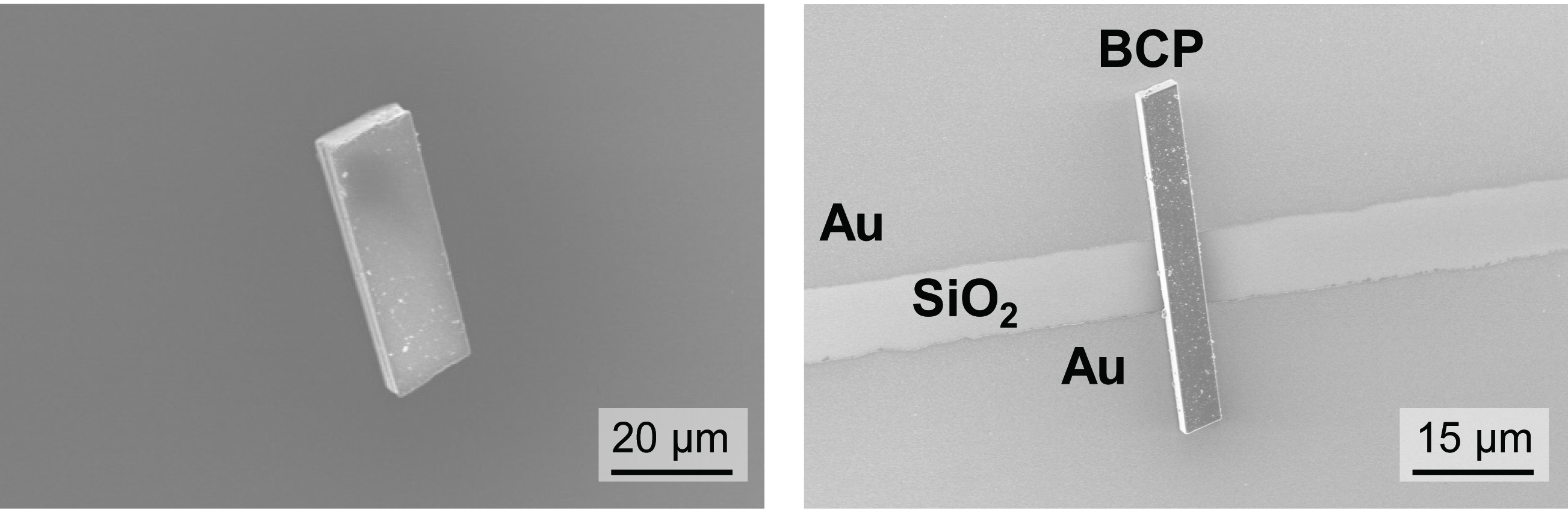
▲ Microscale Image of Chiral Supramolecular Polymer
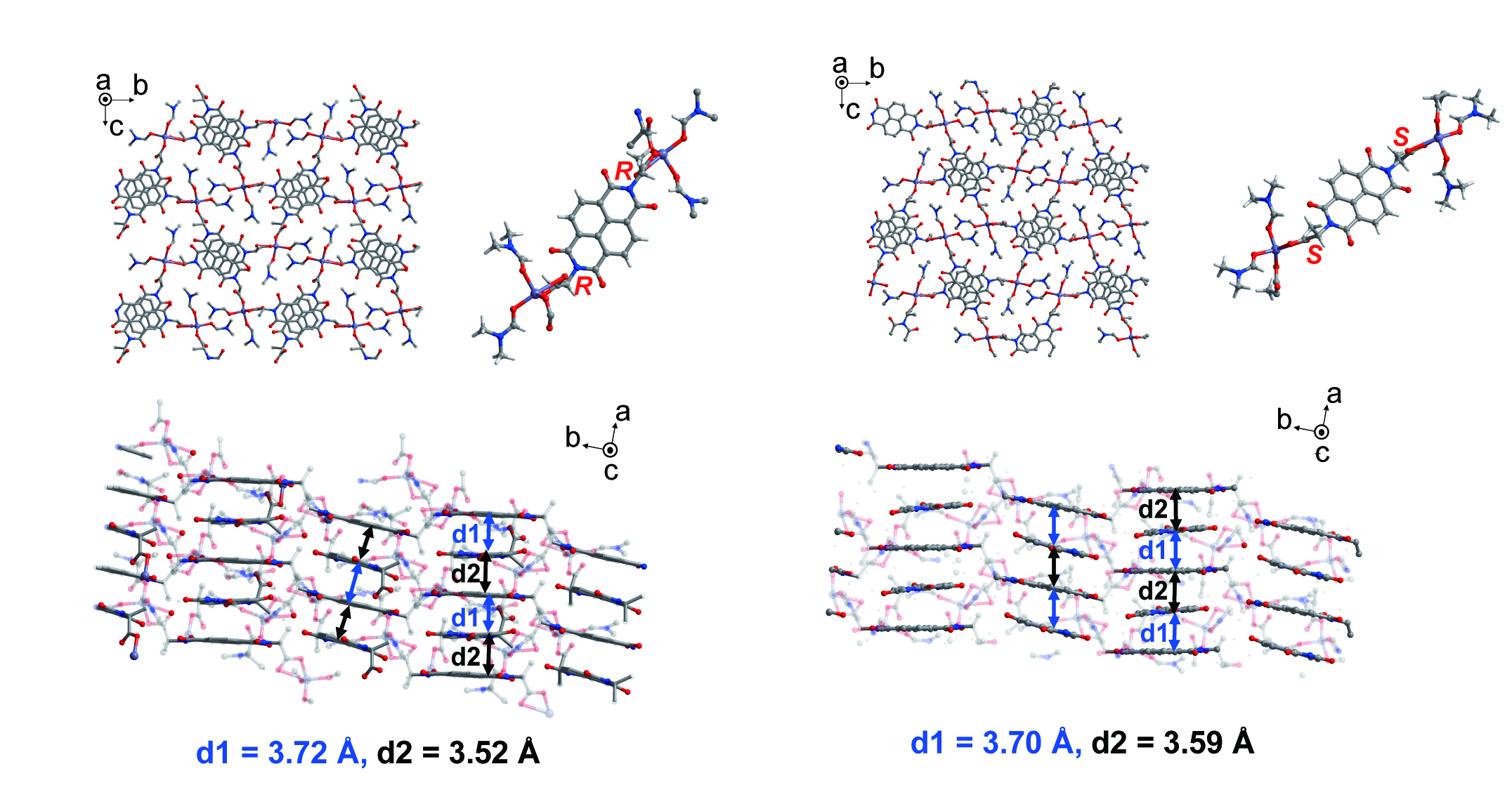
▲ Crystal Structure of Chiral Supramolecular Polymer
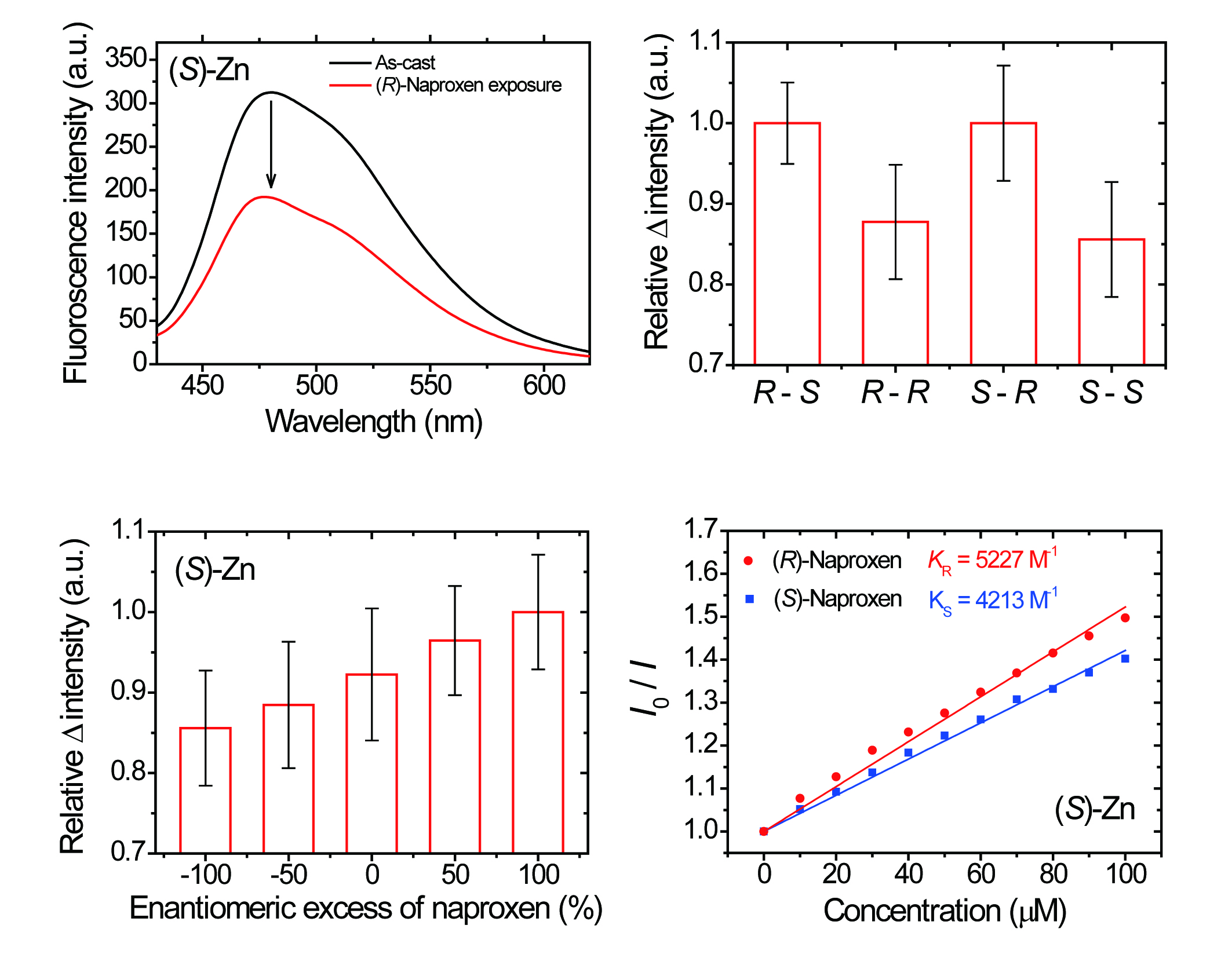
▲ Graphs Depicting Selective Sensitivity of Chiral Supramolecules to Naproxen, a Chiral Drug