loaction
SNU Professor Yong Dae Shin Develops Technology that Restructures Genome Using Phase Separation Inside Cells
-
작성자
관리자
-
등록일
2019.01.24
-
조회수
1,204
SNU Professor Yong Dae Shin Develops Technology that Restructures Genome Using Phase Separation Inside Cells
- Published on the Latest Issue of Cell
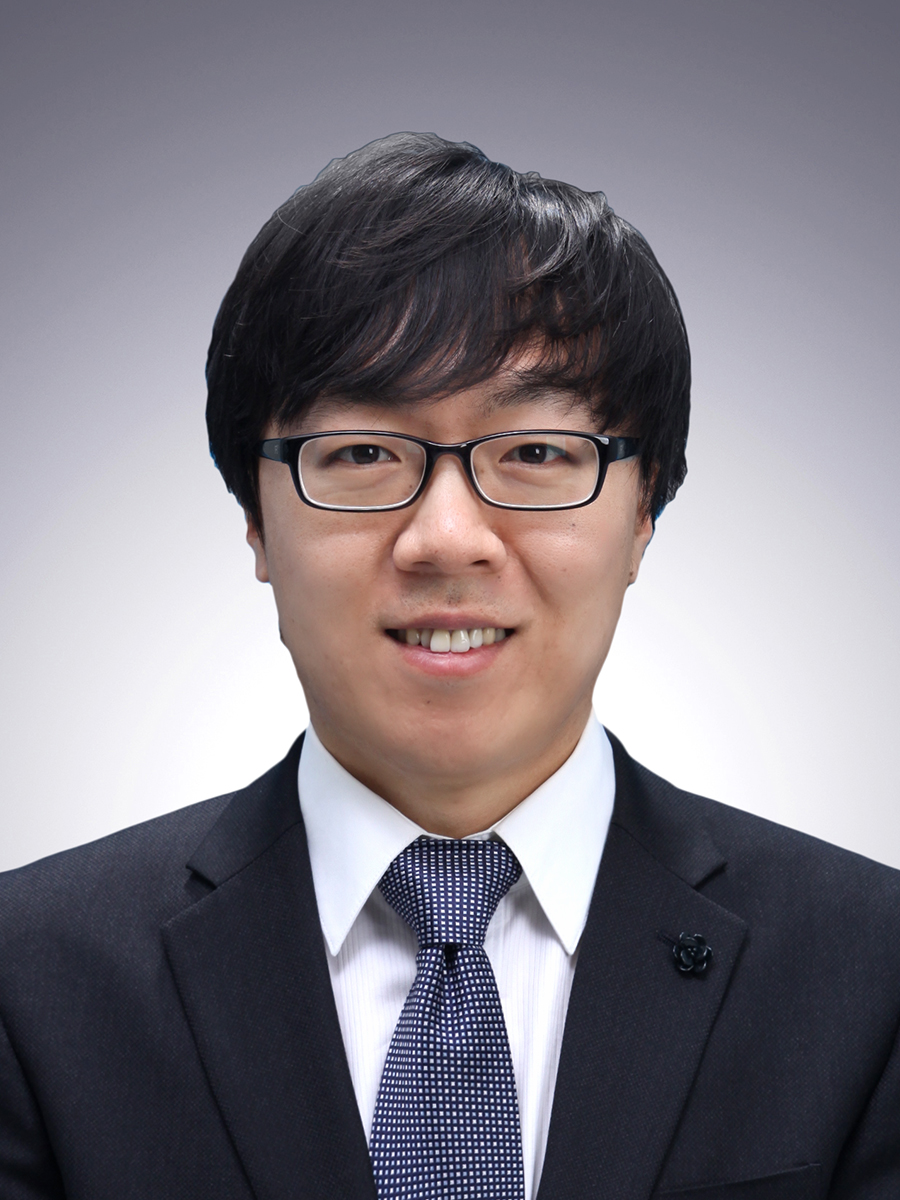
- Professor Yong Dae Shin of SNU Department of Mechanical and Aerospace Engineering
SNU College of Engineering (Dean Kook Heon Char) announced on 17th that Professor Yong Dae Shin of the Department of Mechanical and Aerospace Engineering and Professor Clifford Brangwynne of Princeton University have developed a new technology that manipulates the structure of genome by liquid droplets formed through controlling the phase separation inside cells.
Actually, phase separation is a common phenomenon spotted every day (like the separation of oil and water). Recent researches uncovered that phase separation also happens inside cells where aggregates of droplets form.
These aggregates of only 100 nanometers to few micrometers form when certain biomolecules separate and attach themselves to other biomolecules and involve themselves in various cell activities. Professor Shin, in his research paper presented on Cell in 2017, demonstrated that phase separation inside cell can be controlled by manipulating the interactions between molecules.
In this research, the joint research team integrated an optogenetic technology that manages the characteristics of protein molecules via light with the CRISPR-Cas9 (clustered regularly interspaced short palindromic repeats associated with protein 9) that can label specific genes. Thus, they developed a new technology that condensates liquid droplets composed of proteins related to gene expression in target genes in living cells.
The team named this new technology “CasDrop” and utilized it to observe the dynamic interactions between genome and droplets. They also suggested that aggregates of liquid droplets inside cell nucleus serve as filters that selectively transform genome.
Professor Shin explained, “This research has again demonstrated the importance of dynamic interactions between cell structures. The technology will come as a useful tool when investigating the interaction between genome and liquid aggregates and its function.”
The research was conducted with the supported of SNU New Professor Research Support program. The paper was published on the internationally well-known journal Cell on November 29th.
[Reference]
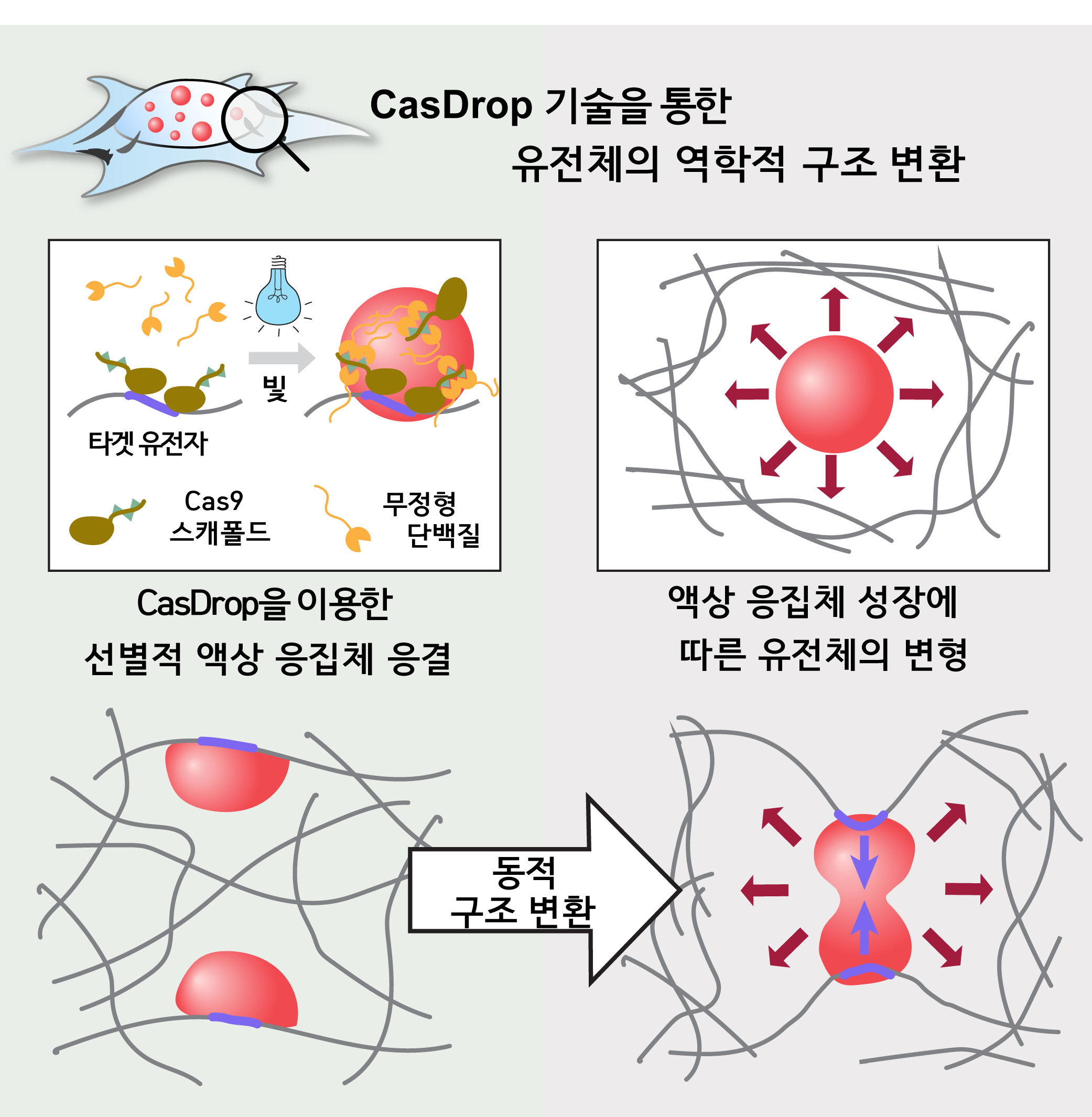
▲ Diagram of CasDrop (Top Left) and Dynamic Interaction between Liquid Aggregates and Genome
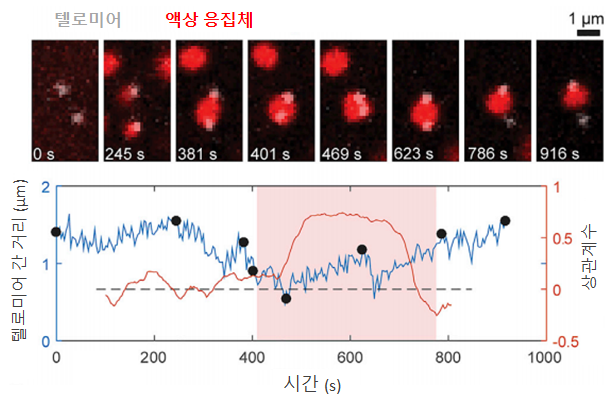
▲ Dynamic Interaction Between Telomere and Liquid Aggregates