loaction
Research Team Led by Professor Sunghoon Kwon Introduced Validation of Sequencing Error for Precise Analysis of DNA Variation
-
작성자
관리자
-
등록일
2019.04.09
-
조회수
991
Research Team Led by Professor Sunghoon Kwon Introduced Validation of Sequencing Error for Precise Analysis of DNA Variation
- Allows Diagnosis of Early-Stage Cancer with a Simple Blood Test
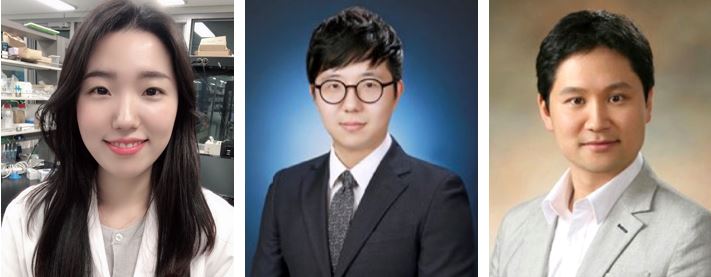
▲ SNU Department of Electrical and Computer Engineering Professor Sunghoon Kwon’s Team: (From Left to Right) Huiran Yeom (Ph.D.), Yonghee Lee (Ph.D.), Professor Kwon
Korean researchers developed a validation technology that allows an exact analysis of DNA variation of cancer cell for early diagnosis of cancer.
SNU College of Engineering (Dean Kookheon Char) announced on 6th that research team led by Professor Sunghoon Kwon of the Department of Electrical and Computer Engineering introduced a Next Generation Sequencing (NGS) error validation for ultra-rare DNA variation of cancer cell that can be applied to early diagnosis of cancer.
Until 2003, analysis of human genome sequence required 4 trillion Korean Won. In 2006, the Next-generation Sequencing (NGS) allowed the cost to drop to one million Korean Won. Henceforth, the NGS is not only applied to biological engineering, medical, and pharmaceutical researches, but is also used during clinical examination and diagnosis of diseases.
One of the tasks DNA analysis using NGS had to resolve before its clinical application was to overcome its high error. Validation of NGS error is necessary for it to analyze DNA variation of cancer cell, which has a low occurrence rate, to thus diagnose early-stage cancer. Other than diagnosis of early-stage cancer, NGS is required for genetic testing before birth (noninvasive prenatal testing), transplant rejection test, and many more where DNA variation also occurs with rarity.
Hence, Professor Kwon’s team attempted to validate NGS error hypothesizing that NGS errors during analysis happen at optical detection, not at DNA variation. The team reinvestigated the laser-extracted erroneous DNA molecules independently from the results of NGS. As a result, they were able to confirm that the DNA variation reported from NGS was actually an optical detection error that occurred during NGS.
Furthermore, the team with similar methods precisely identified the optical detection error to finally prove that NGS can measure down to 0.003% incidence rate of DNA variation. They also overcame the limitation of conventional validation that depends of the Q-score of the NGS apparatus. With their suggested method, the DNA molecules extracted with laser can be reanalyzed by another base sequencing apparatus; thus, NGS error can be validated ignoring its Q-score.
Professor Kwon who led the research explained, “With NGS error validation, a precise DNA analysis that allows diagnosis of early-stage cancer with a simple blood test is made possible. It is an achievement of the convergence research between biological engineering, optics, electrical engineering, etc.”
The research findings were published on Nature Communications on February 28th, 2019.
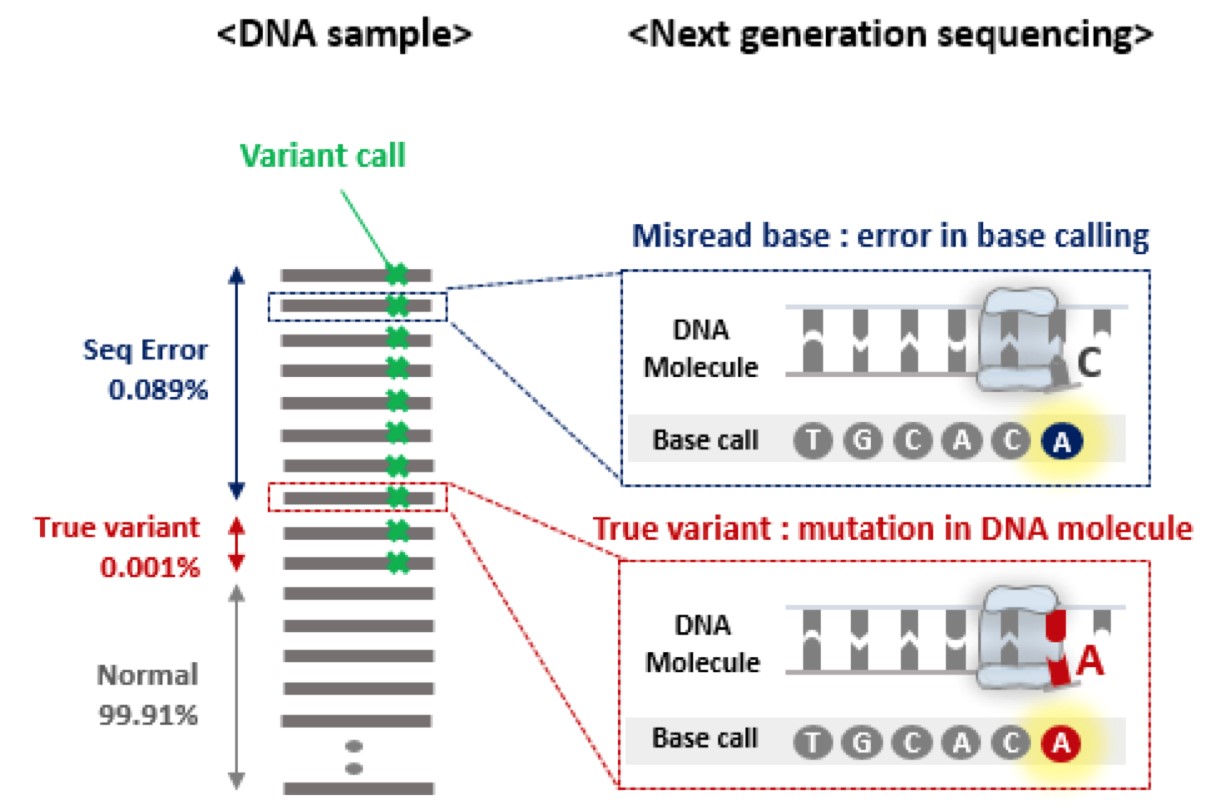
▲ The Cause of Error of Next Generation Sequencing (NGS)
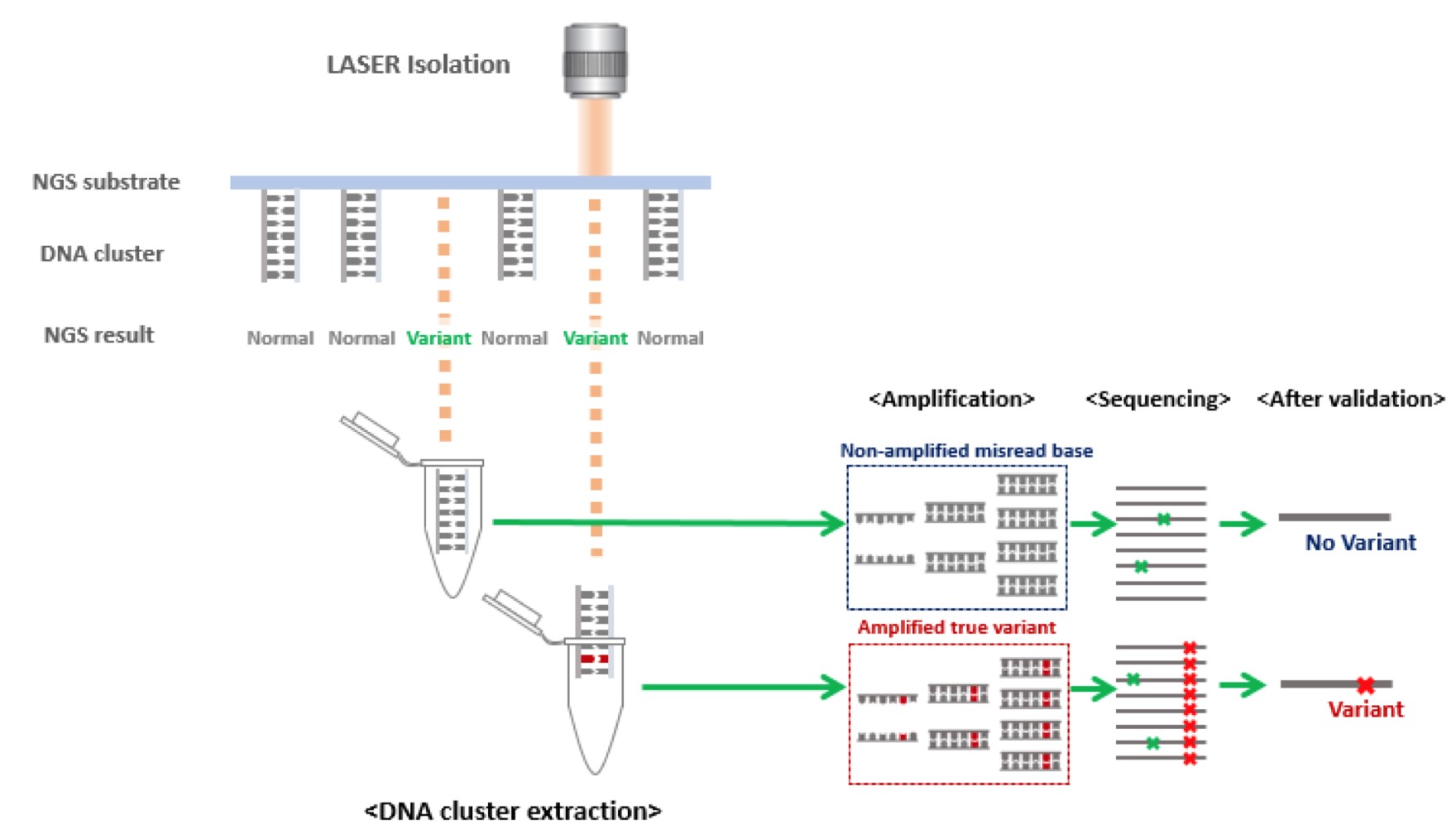
▲ NGS Error Validation Developed by the Research Team
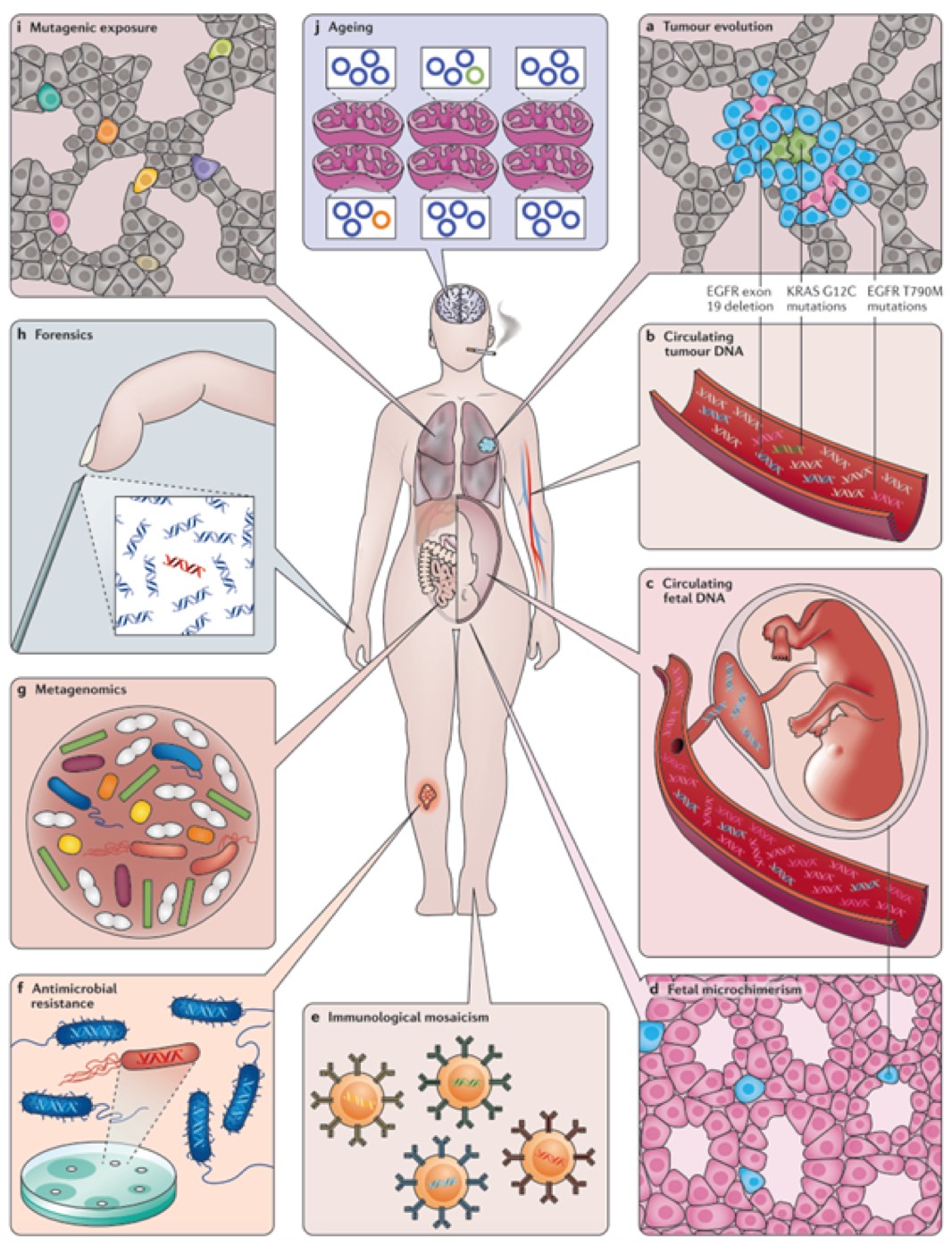
▲ Examples Demonstrating Low Incidence Rate of DNA Mutations (Goodwin, S., McPherson, J. D. & McCombie, W. R. Coming of age: ten years of next-generation sequencing technologies. Nat Rev Genet 17, 333–351 (2016))