loaction
- About
-
Academics
-
Undergraduate Programs
- Civil, Urban and Environmental Engineering
- Architecture and Architectural Engineering
- Mechanical Engineering
- Industrial Engineering
- Energy Resources Engineering
- Nuclear Engineering
- Materials Science and Engineering
- Electrical and Computer Engineering
- Naval Architecture and Ocean Engineering
- Computer Science and Engineering
- Aerospace Engineering
- Chemical and Biological Engineering
-
Graduate Programs
- Civil, Urban and Environmental Engineering
- Architecture and Architectural Engineering
- Mechanical Engineering
- Industrial Engineering
- Energy Systems Engineering
- Materials Science and Engineering
- Electrical and Computer Engineering
- Naval Architecture and Ocean Engineering
- Computer Science and Engineering
- Aerospace Engineering
- Chemical and Biological Engineering
- Interdisciplinary Program in Technology, Management, Economics and Policy
- Interdisciplinary Program in Urban Design
- Interdisciplinary Program in Bioengineering
- Interdisciplinary Program in Artificial Intelligence
- Interdisciplinary Program in Intelligent Space and Aerospace Systems
- Chemical Convergence for Energy and Environment Major
- Multiscale Mechanics Design Major
- Hybrid Materials Major
- Double Major Program
- Open Programs
-
Undergraduate Programs
- Research
- Prospective Students
- Campus Life
- International Office
- Communication
Research Achievements
Professor Seung Hwan Ko's team at Seoul National University Develops Next-Generation Bioelectrodes for Implantable Brain-Computer Interfaces Surpassing Neuralink
-
Uploaded by
기획협력실
-
Upload Date
Jul 17, 2024
-
Views
4516
Professor Seung Hwan Ko's team at Seoul National University Develops Next-Generation Bioelectrodes for Implantable Brain-Computer Interfaces Surpassing Neuralink
Researchers develop advanced hydrogel micro-patterning technology to address issues in Elon Musk's Neuralink
Necessity of the Research Elon Musk's Neuralink recently commenced clinical trials involving human subjects, successfully enabling patients to control a computer mouse with their thoughts. However, the brain-computer interface devices currently used are rigid and dry, unlike biological tissues, posing risks of immune responses and associated complications over long-term implantation. Consequently, there is a global effort to develop implantable devices using soft hydrogels similar to biological tissues. Yet, the technology to precisely micro-pattern these hydrogels to read signals from small brain cells remains challenging.
Research Achievements/Expectations A joint research team led by Professor Seung Hwan Ko from Seoul National University and Professor Taek-Soo Kim from KAIST has developed a technology to pattern conductive hydrogels, which are as soft as jelly, at a thickness 20 times thinner than a human hair. When a laser is applied between a conductive polymer and a transparent substrate, the photothermal energy concentrated at the interface creates a strong bond, enabling patterning only at the desired areas. The developed soft bioelectrode for implantable devices, with its strong bonding to the substrate, is expected to operate stably within the body for extended periods, addressing the stability concerns associated with Neuralink.
Research Content Overview
• Researchers have developed futuristic implantable brain-computer interface bioelectrodes using soft, jelly-like conductive hydrogels.
• Professors Seung Hwan Ko (Seoul National University) and Taek-Soo Kim (KAIST), along with first co-authors Dr. Daeyeon Won and Dr. Hyungjoon Kim, have developed a technology to pattern conductive hydrogels as thin as 1/20th of a human hair.
Background
• Neuralink's recent clinical trials succeeded in enabling patients to control a computer mouse using their thoughts.
• However, the rigid and dry nature of the brain-computer interface devices raises concerns over long-term implantation, with potential immune response issues. Notably, Neuralink's first human trials encountered immune defense problems, and there were reports of monkey deaths during 2022 trials.
• To address this, there is a global race to develop implantable devices using soft, jelly-like conductive hydrogels. However, micro-patterning hydrogels to precisely read signals from small brain cells is technically challenging due to their delicate nature.
Results
• The research team developed a process to pattern jelly-like hydrogels made from conductive polymers at a thickness similar to 1/20th of a human hair while achieving top-tier electrical conductivity.
• By focusing photothermal energy at the interface of a conductive polymer and a transparent substrate, the team created a strong bond, inducing phase separation in the conductive polymer through laser irradiation, transforming it into a soft hydrogel.
• The high resolution and flexibility of the laser allowed for precise bonding to the substrate at desired locations, enabling ultra-fine patterning. This demonstrated that the patterns remained stable even when rubbed, stretched, or crumpled in a moist physiological environment.
• The developed hydrogel brain-computer interface bioelectrodes were successfully implanted in a rat’s brain, transmitting brain signals to a computer stably for three weeks. The electrodes also showed durability by remaining stable even after ultrasonic cleaning, allowing for reuse.
• Professor Seung Hwan Ko from Seoul National University commented, "This research outcome presents a new paradigm for next-generation implantable bioelectrodes, addressing and potentially surpassing the stability issues of Elon Musk’s Neuralink."
Supported by the Ministry of Science and ICT and the National Research Foundation of Korea under the Mid-career Researcher Program, this study's results were published on June 28 in the renowned international journal 'Nature Electronics'.
Terminology
• Hydrogel: A polymer material that can maintain its shape while containing water.
• Conductive Polymer: A polymer that allows charge to flow along its chain.
• Phase Separation: A phenomenon where a uniformly distributed conductive polymer separates into two distinct substances.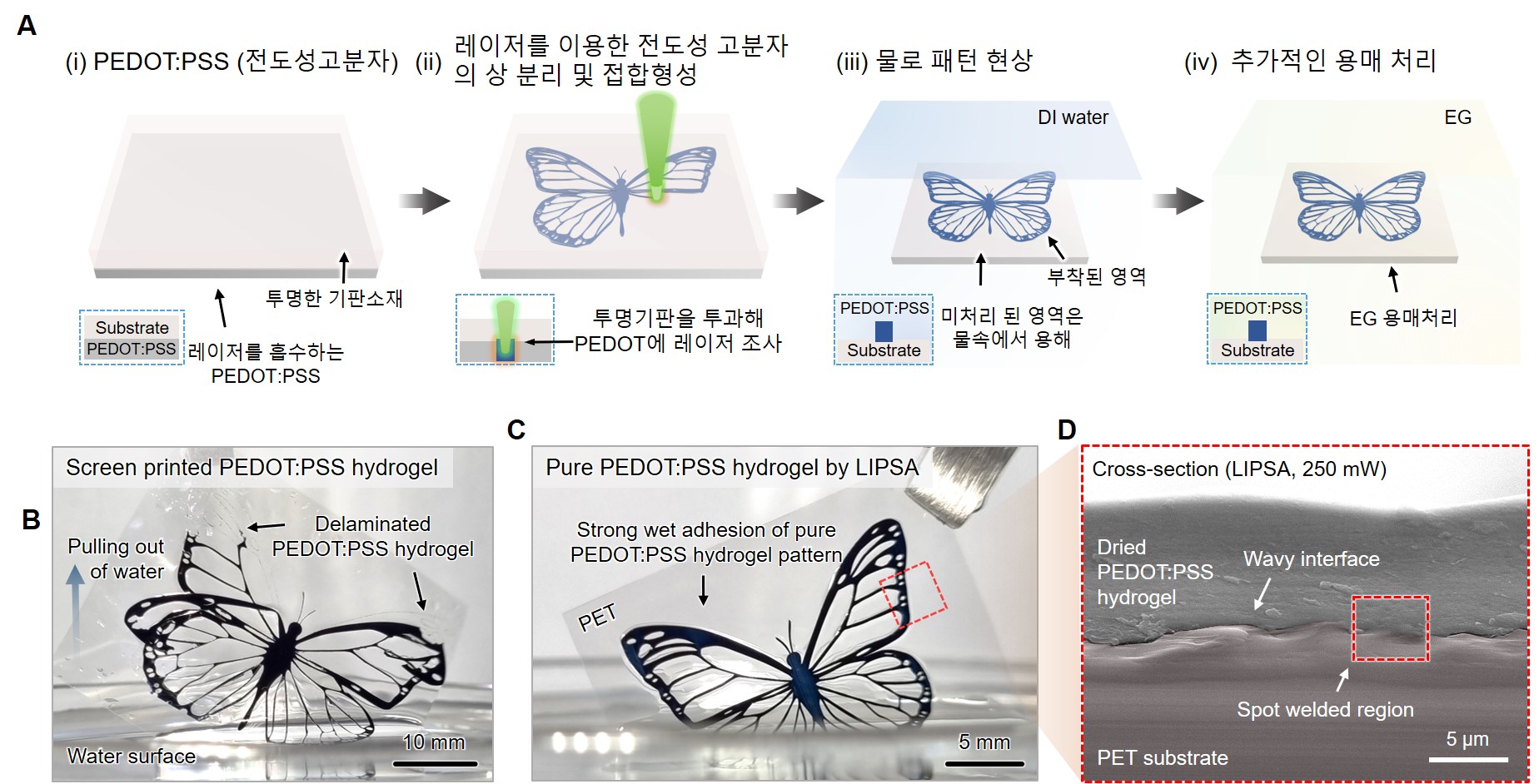
Figure 1: Micro-patterning Process of Conductive Hydrogels Using Laser
(A) Schematic of phase separation of conductive polymers induced by laser irradiation, formation of bonds between the polymer and substrate, and the subsequent patterning process.
(B) Stability of hydrogel patterns fabricated by printing processes, which easily detach from the substrate in wet environments.
(C) Hydrogel patterns fabricated by our research team's laser process, which remain strongly bonded to the substrate even in wet environments.
(D) SEM image of the bonding interface between the hydrogel and the substrate fabricated using the laser process.
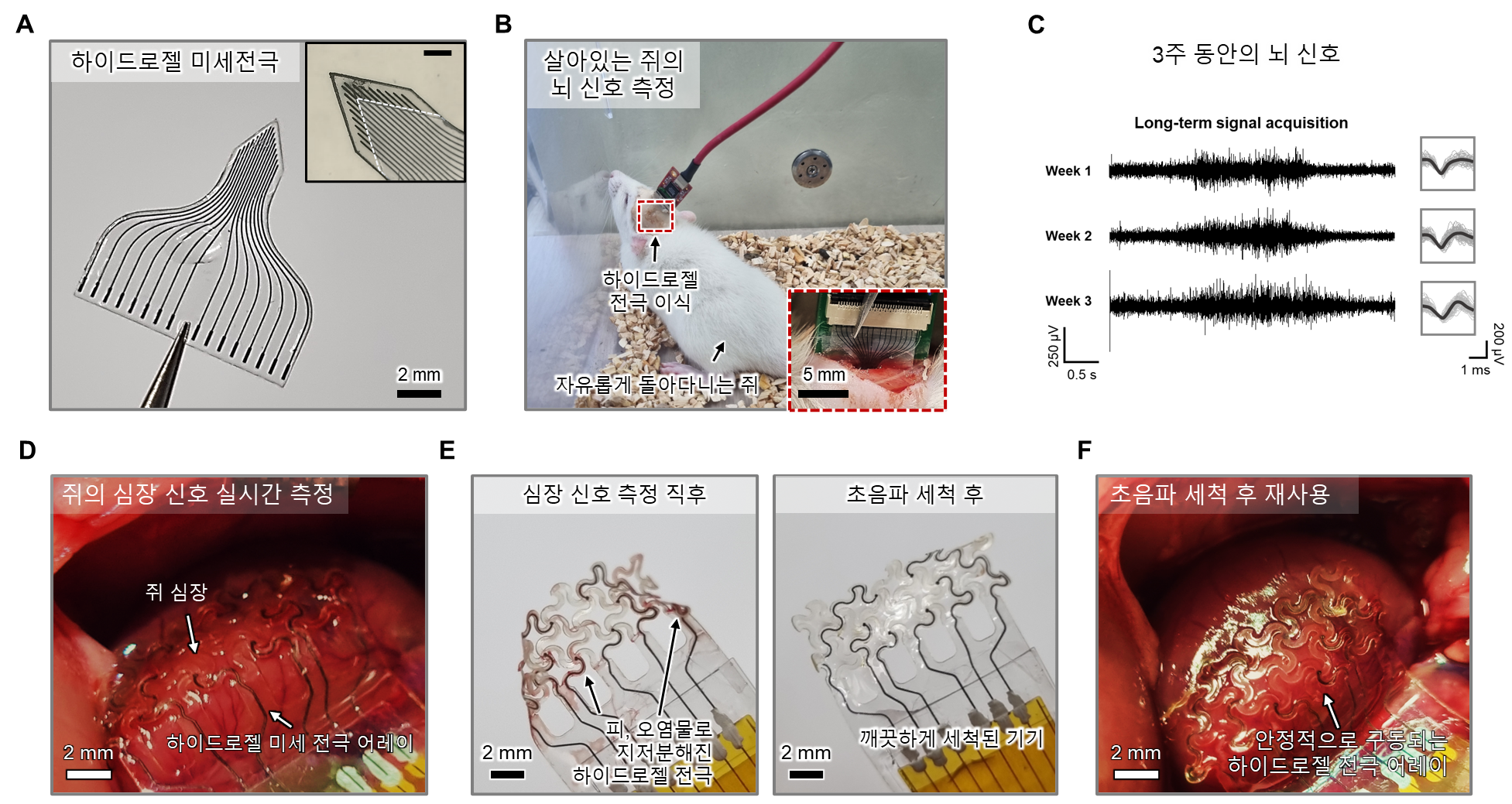
Figure 2: Hydrogel Microelectrode Array Developed Using Laser Process
(A) Hydrogel microelectrode array for brain implantation fabricated using the laser process.
(B) Image of a rat with the hydrogel microelectrode array implanted.
(C) Brain signals of the rat measured over a period of three weeks.
(D) Image of the rat's heart with the hydrogel microelectrode array implanted.
(E) Hydrogel microelectrode array cleaned thoroughly via ultrasonic cleaning.
(F) Hydrogel microelectrode array operating stably even after vigorous ultrasonic cleaning.