loaction
- About
-
Academics
-
Undergraduate Programs
- Civil, Urban and Environmental Engineering
- Architecture and Architectural Engineering
- Mechanical Engineering
- Industrial Engineering
- Energy Resources Engineering
- Nuclear Engineering
- Materials Science and Engineering
- Electrical and Computer Engineering
- Naval Architecture and Ocean Engineering
- Computer Science and Engineering
- Aerospace Engineering
- Chemical and Biological Engineering
-
Graduate Programs
- Civil, Urban and Environmental Engineering
- Architecture and Architectural Engineering
- Mechanical Engineering
- Industrial Engineering
- Energy Systems Engineering
- Materials Science and Engineering
- Electrical and Computer Engineering
- Naval Architecture and Ocean Engineering
- Computer Science and Engineering
- Aerospace Engineering
- Chemical and Biological Engineering
- Interdisciplinary Program in Technology, Management, Economics and Policy
- Interdisciplinary Program in Urban Design
- Interdisciplinary Program in Bioengineering
- Interdisciplinary Program in Artificial Intelligence
- Interdisciplinary Program in Intelligent Space and Aerospace Systems
- Chemical Convergence for Energy and Environment Major
- Multiscale Mechanics Design Major
- Hybrid Materials Major
- Double Major Program
- Open Programs
-
Undergraduate Programs
- Research
- Prospective Students
- Campus Life
- International Office
- Communication
Research Achievements
Amid U.S.–China “Quantum Supremacy” Rivalry, Korea Charts Its Engineering Path… SNU and National Academy of Sciences Host 2nd SNU Lux Mea Forum
-
Uploaded by
대외협력실
-
Upload Date
Jun 05, 2026
-
Views
151
Amid U.S.–China “Quantum Supremacy” Rivalry, Korea Charts Its Engineering Path…
SNU and National Academy of Sciences Host 2nd SNU Lux Mea Forum
- Five global scholars including Pyong-Se Lee and Jungsang Kim discuss the future of bio-quantum technology
- Strategies proposed to link bio–quantum convergence with technology startup ecosystems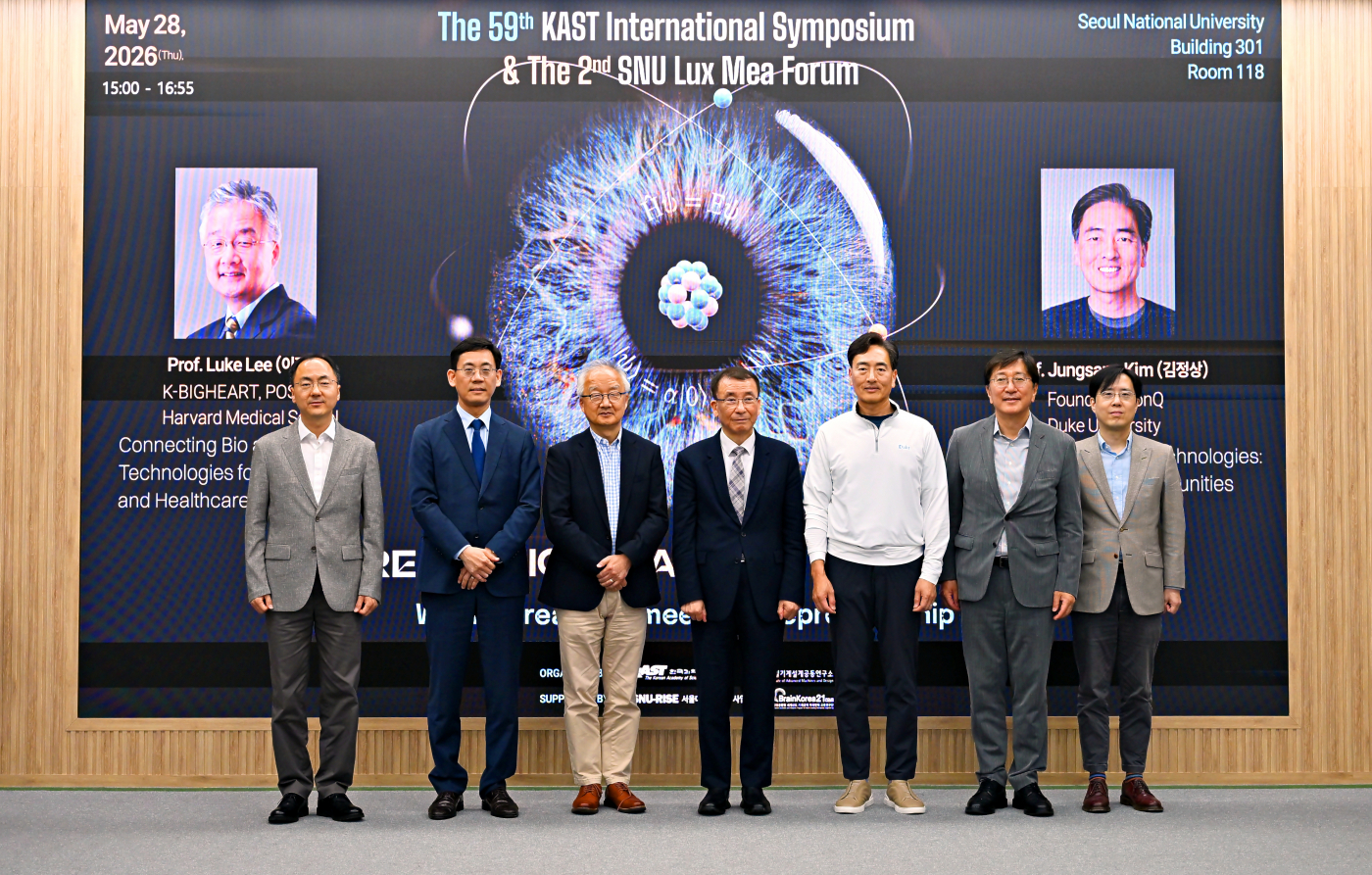
▲ (From left) Hanho Song, Vice Director, SNU Institute of Advanced Machines and Design; Sung-Hoon Ahn, Director, SNU Institute of Advanced Machines and Design; Pyong-Se Lee, Harvard Medical School/POSTECH; Jinho Chung, President, National Academy of Sciences; Jungsang Kim, Duke University/IonQ co-founder; Young-oh Kim, Dean, SNU College of Engineering; Changsoon Kim, Professor, SNU Graduate School of Convergence Science and Technology
A major forum exploring the future of quantum technology, rapidly emerging as a transformative force following artificial intelligence (AI), and Korea’s strategic response, has successfully concluded.
Seoul National University College of Engineering announced that the 59th KAST International Symposium and the 2nd SNU Lux Mea Forum, jointly organized by the National Academy of Sciences, Republic of Korea (President Jinho Chung) and the SNU Institute of Advanced Machines and Design (Director Sung-Hoon Ahn), was recently held at Building 301 on the Gwanak Campus.
Under the theme “Future of Bio-Quantum Technology: Where Creativity Meets Entrepreneurship,” the forum provided an in-depth examination of the academic and industrial potential of strategic technologies expected to reshape industries ranging from drug development and defense to cryptography and finance, drawing strong interest from both academia and industry.
■ Intensifying U.S.–China Competition in Quantum Technology… What Is Korea’s Strategy?
The global quantum market has become an unprecedented battleground for technological leadership. Recently, the U.S. Trump administration announced a $2 billion investment—funded through the CHIPS Act—into nine quantum-related companies (seven quantum computing firms and two semiconductor foundries), including IBM. Notably, the government is taking minority, non-controlling equity stakes, signaling strategic participation beyond simple subsidies.
China, in response, has designated quantum technology as the top priority among its “seven future strategic industries” in the 15th Five-Year Plan (2026–2030). With cumulative public investment estimated at $15 billion, China is further expanding funding through a national venture guidance fund allocating 121.8 billion yuan (approximately $17.5 billion) across three major regions.
Against this backdrop, the symposium provided a candid assessment that Korea has yet to fully secure leadership in quantum computing, while proposing “bio–quantum convergence” and “practical technology entrepreneurship” as key pathways forward. Drawing on the real-world startup experience of Professor Jungsang Kim, a pioneer in global quantum ventures, the forum highlighted the transformative impact of translating disruptive technologies into successful startups, offering concrete direction for Korea’s engineering community.
■ Five Leading Global Scholars Convene… “Bridging Bio–Quantum Integration and Entrepreneurship”
The event brought together five world-renowned scholars in bio and quantum technologies. Keynote speakers included Pyong-Se Lee, a global authority in biosensors (POSTECH and Harvard Medical School) and Jungsang Kim, a pioneer of ion-trap quantum computing and co-founder of IonQ (Duke University).
The panel discussion that followed was moderated by Sung-Hoon Ahn, Director of the SNU Institute of Advanced Machines and Design, with panelists including Namshik Han, University of Cambridge and Yonsei University and Changsoon Kim, SNU Graduate School of Convergence Science and Technology
The discussion explored strategies for integrating bio and quantum technologies and, importantly, connecting cutting-edge academic research with technology entrepreneurship to create disruptive business opportunities.
Panelists also emphasized that Korea’s strengths in advanced manufacturing and engineering could serve as a critical breakthrough in building a bio–quantum convergence ecosystem and accelerating commercialization, drawing strong engagement from the audience.
■ A Platform for Industry–Academia–Research Collaboration… A Milestone Linking Creativity and Entrepreneurship
As part of SNU’s flagship collective intelligence platform, the Lux Mea Forum, which integrates science, technology, and philosophy to explore the future of society, the event attracted not only academic leaders but also executives from leading domestic and international companies and related organizations, serving as a dynamic platform for industry–academia innovation.
In his welcoming remarks, Jinho Chung, President of the National Academy of Sciences, stated, “It is a great pleasure to co-host this meaningful forum with Seoul National University, where we explore the future direction of science and technology alongside world-leading scholars in quantum and bio fields.”
Young-oh Kim, Dean of the SNU College of Engineering, added in his congratulatory remarks, “Hosting the 2nd Lux Mea Forum on quantum–bio convergence in collaboration with the National Academy of Sciences makes this occasion especially meaningful. I hope today’s event will serve as a milestone connecting creativity and entrepreneurship for students and industry participants alike.”
Sung-Hoon Ahn, Director of the SNU Institute of Advanced Machines and Design and the lead organizer of the forum, commented, “This forum provided an opportunity to deeply discuss both the academic and industrial potential of bio–quantum convergence and the future research ecosystem. In particular, it helped identify how Korea’s strong engineering foundation and manufacturing capabilities can become powerful assets in the global quantum commercialization and startup landscape.”
Following the official sessions, the event concluded successfully with active networking among distinguished guests and industry participants.
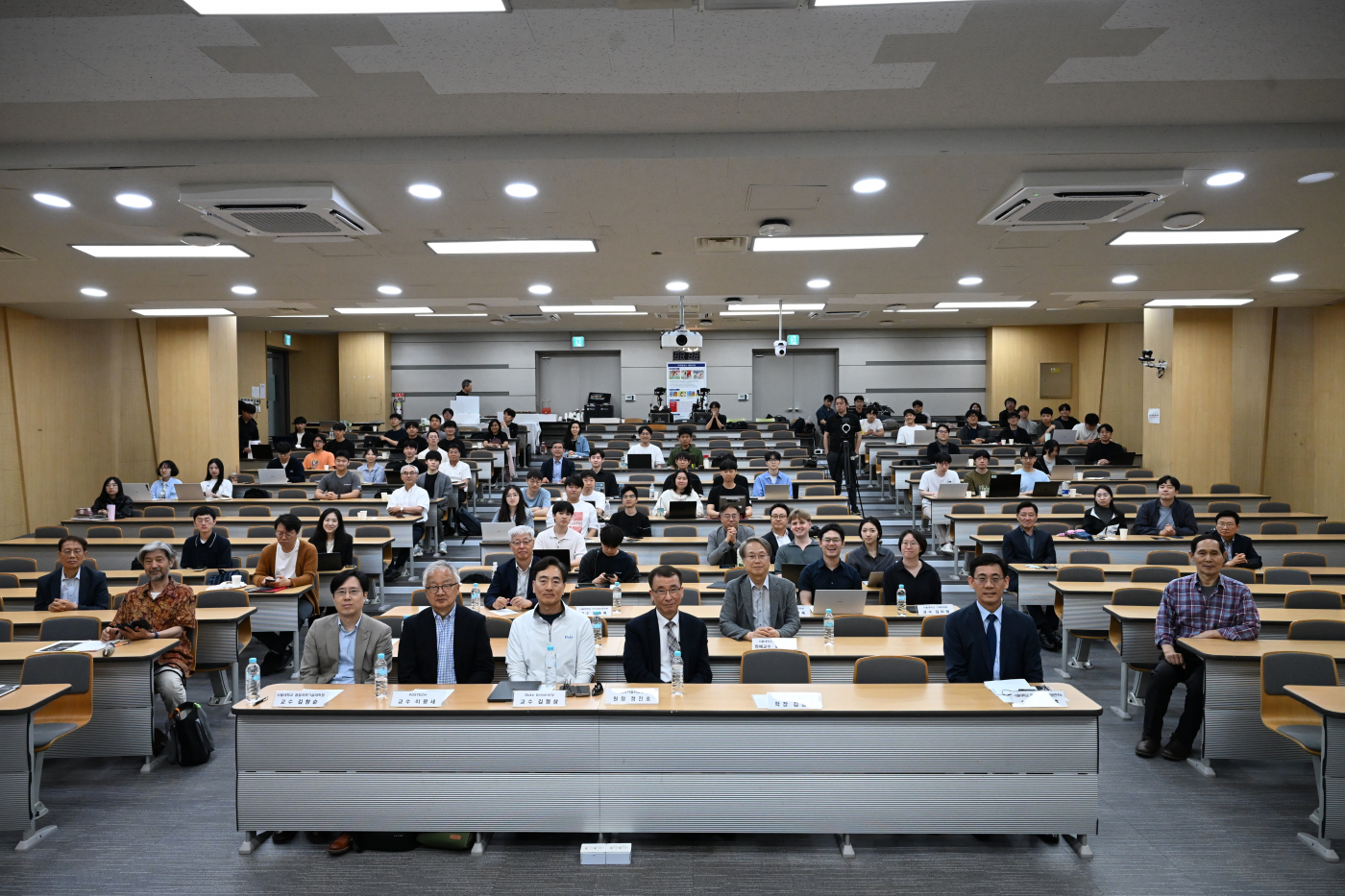
▲ Group photo of participants at the 2nd SNU Lux Mea Forum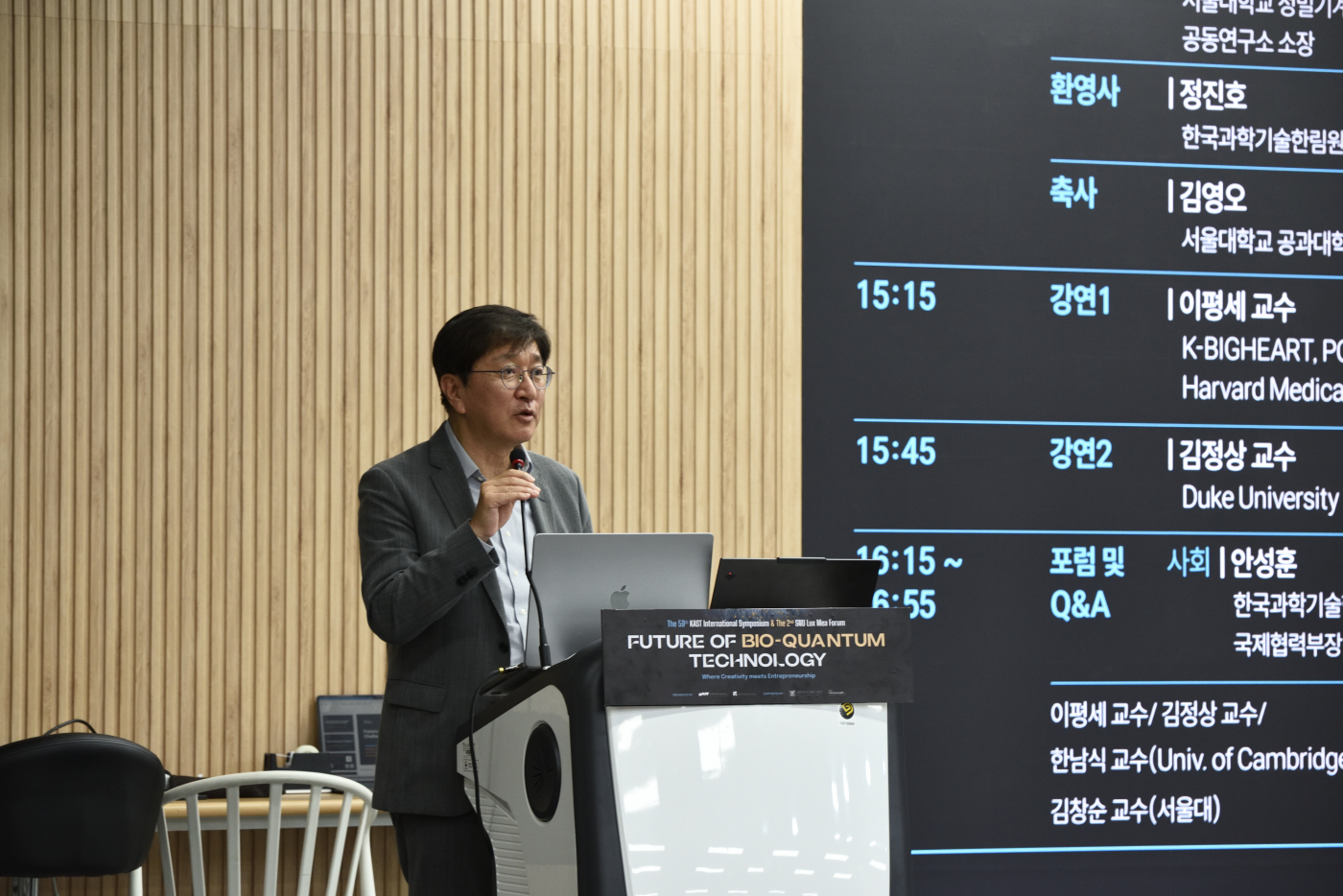
▲ Young-oh Kim, Dean of the College of Engineering, Seoul National University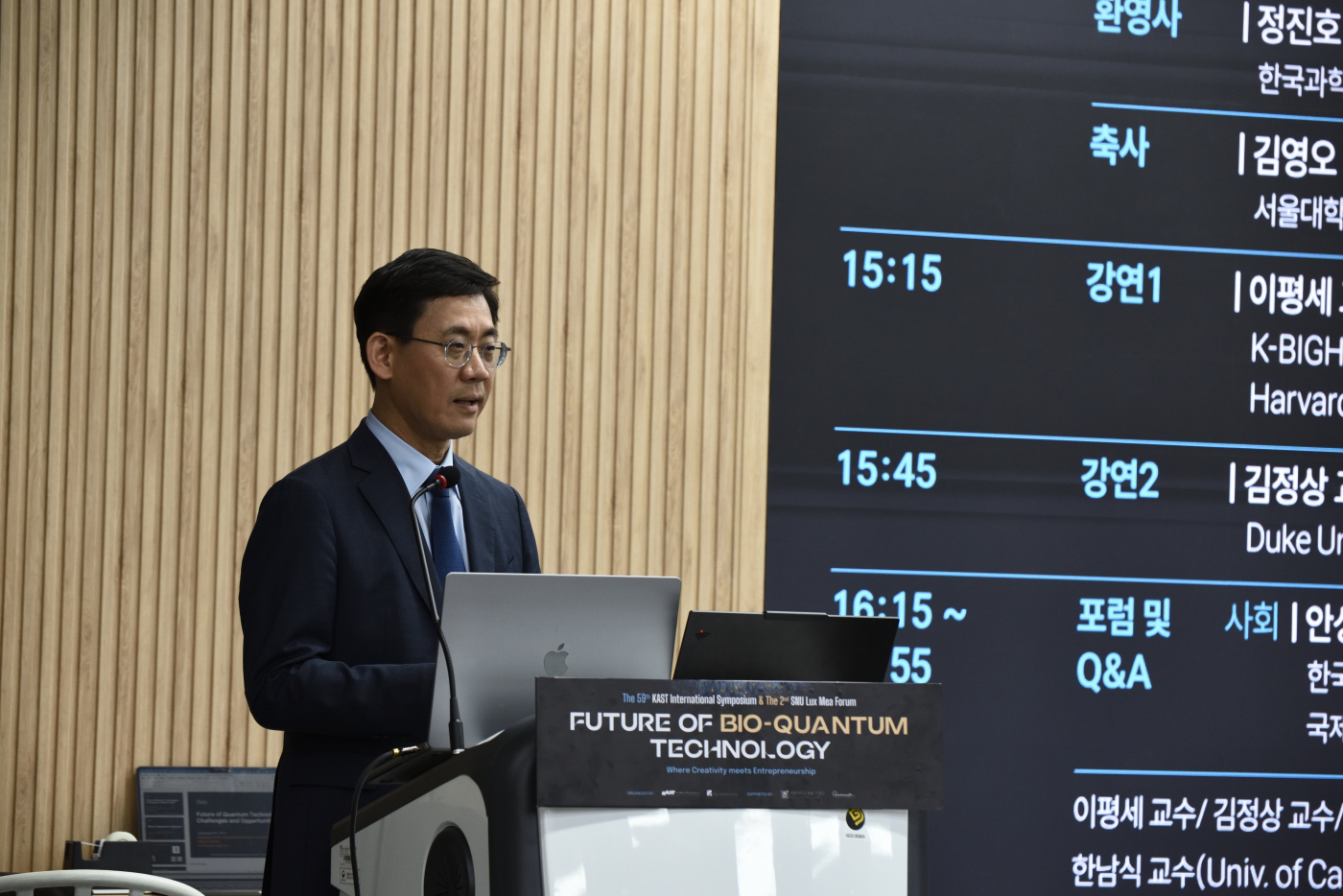
▲ Sung-Hoon Ahn, Director of the SNU Institute of Advanced Machines and Design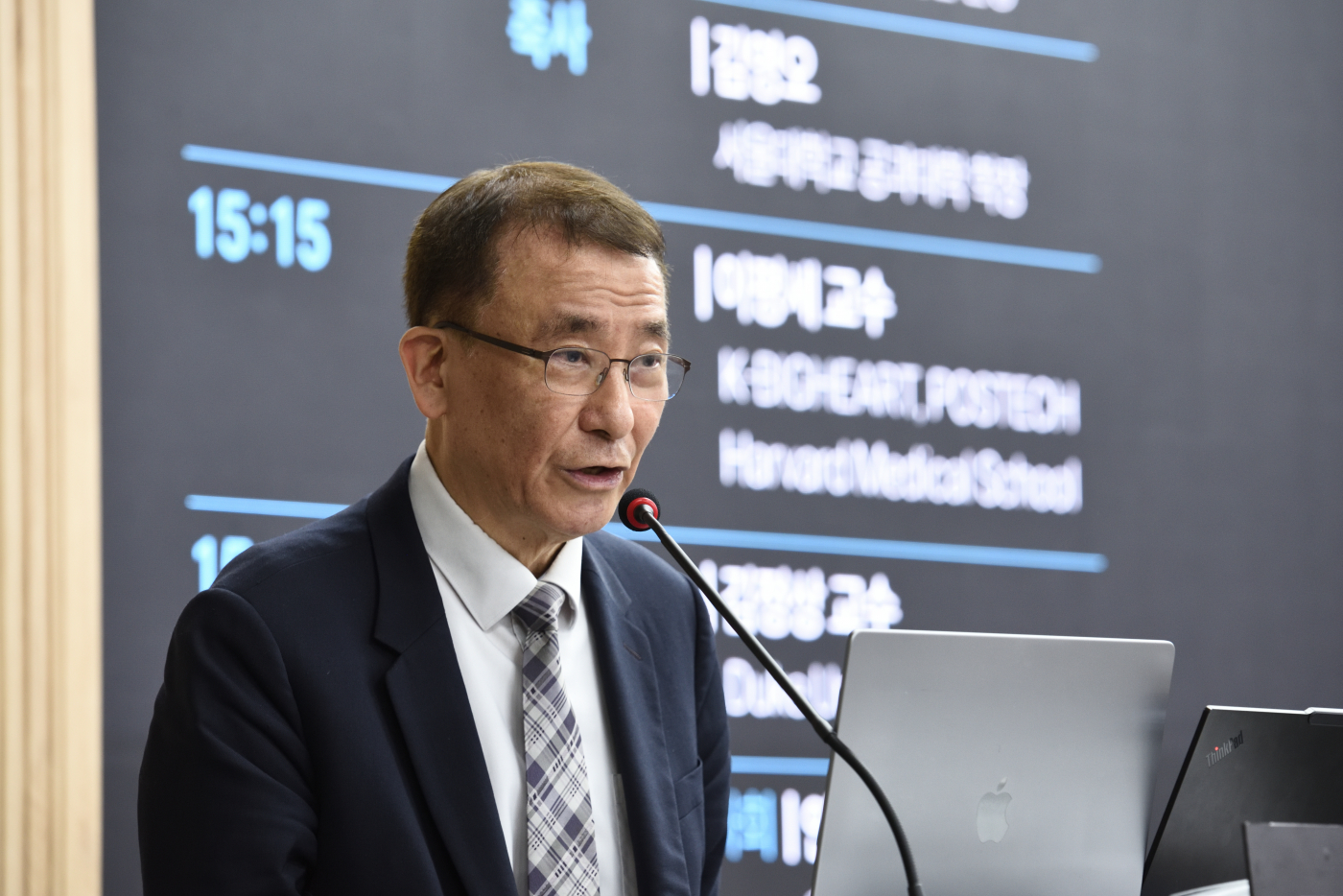
▲ Jinho Chung, President of the National Academy of Sciences, Republic of Korea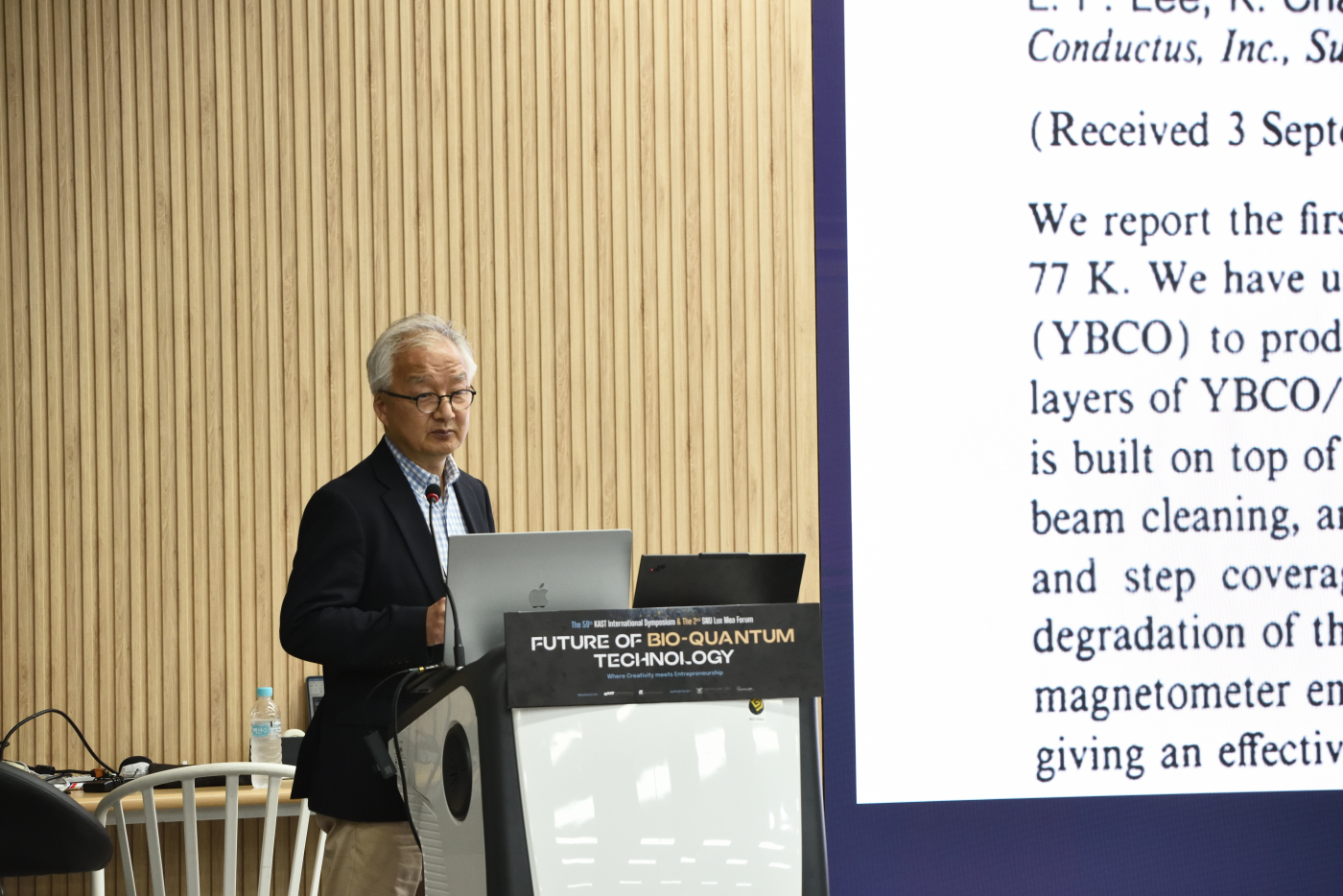
▲ Pyong-Se Lee, Distinguished Professor at POSTECH and Harvard Medical School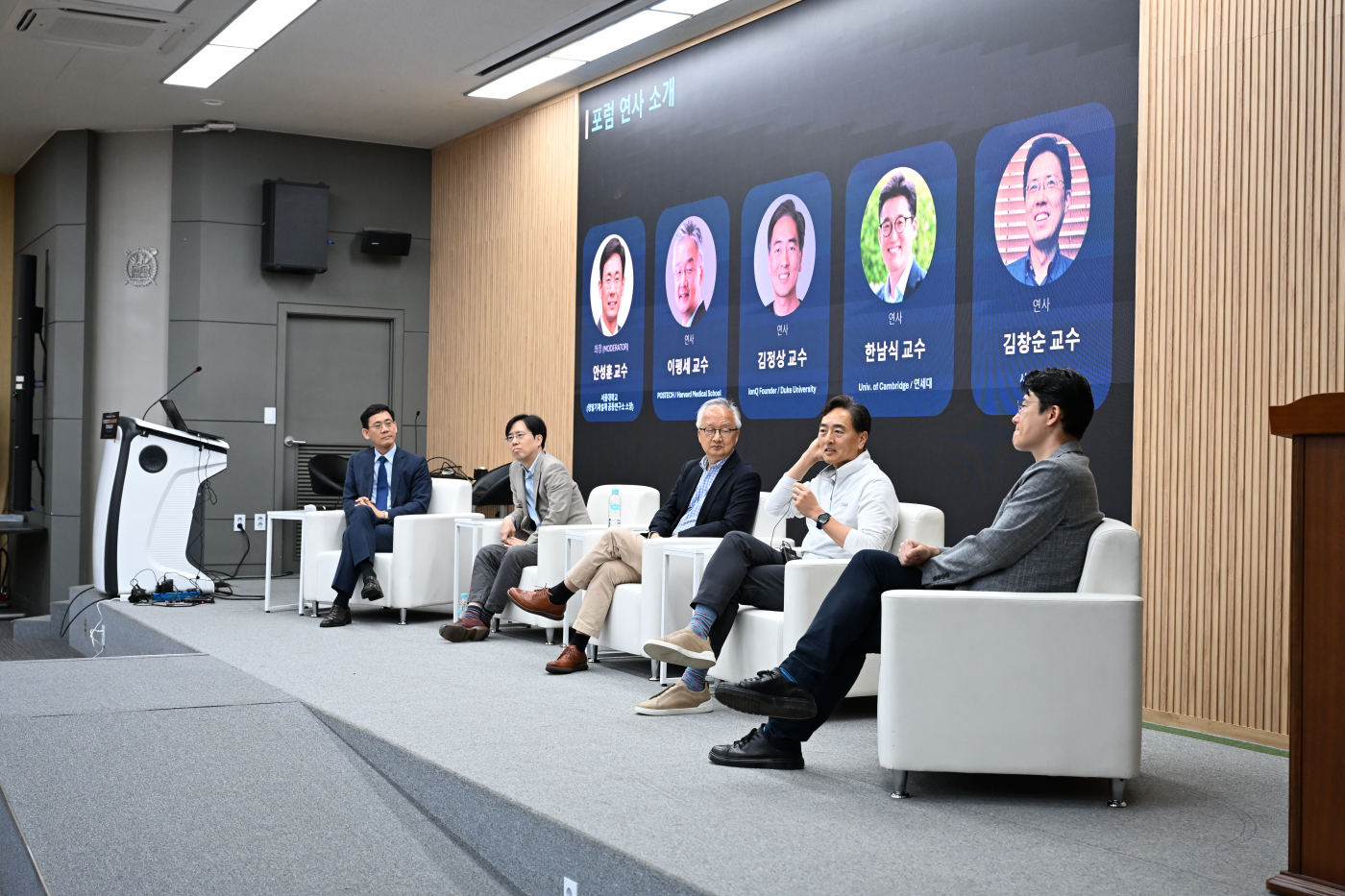
▲ Panel discussion at the 2nd SNU Lux Mea Forum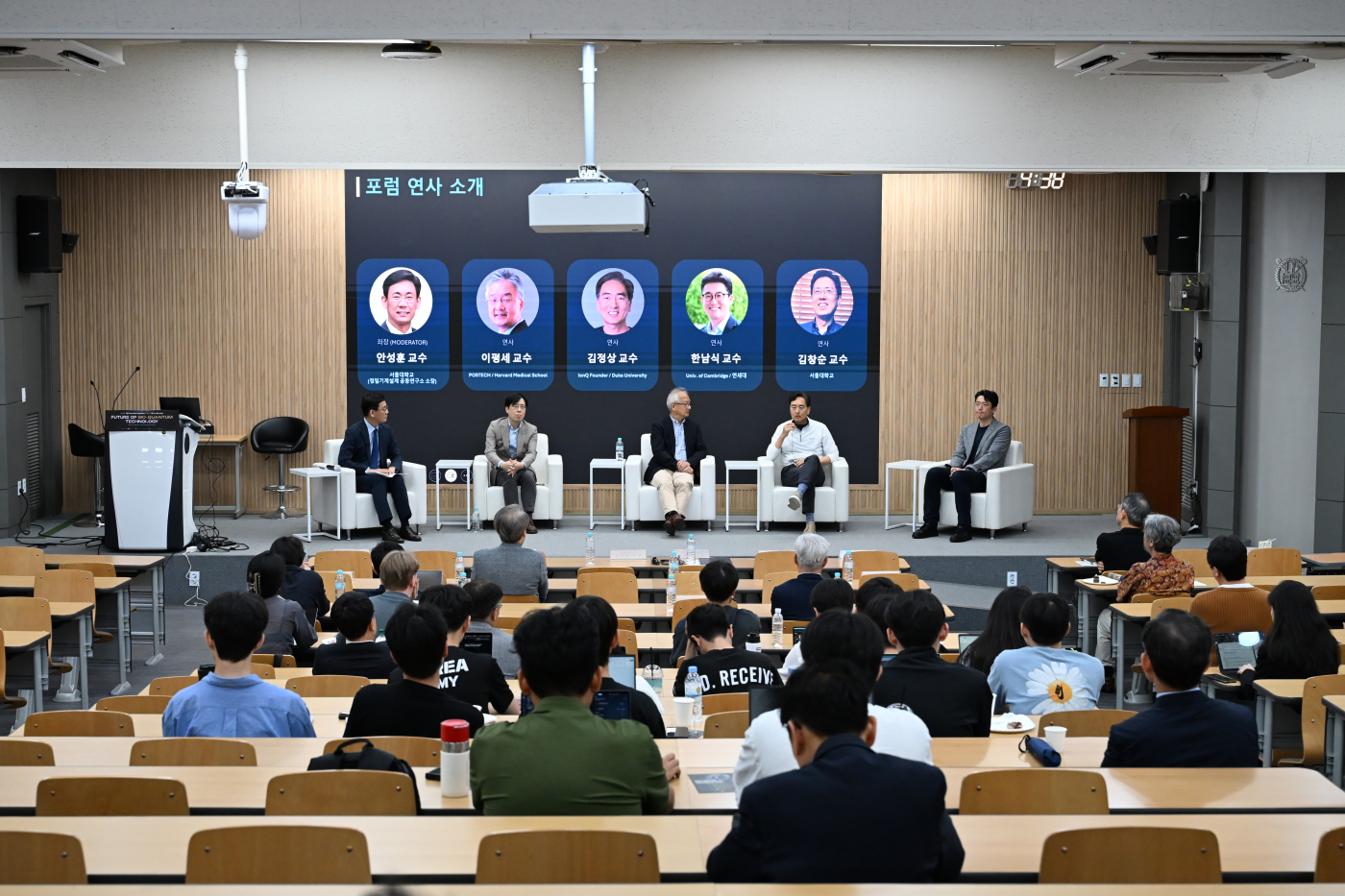
▲ Panel discussion at the 2nd SNU Lux Mea Forum
[Contact Information]
Kyung-Tae Lee, Principal Researcher, SNU RISE Program / +82-2-880-1895 / lekyta83@snu.ac.kr